
Heroes in the Sky Foundation sheds light on the alarming disparities in suicide rates among veterans, first responders, and emergency personnel. These individuals endure repeated exposure to intense trauma, exposing the underlying causes of this ongoing suicide epidemic.
Veterans
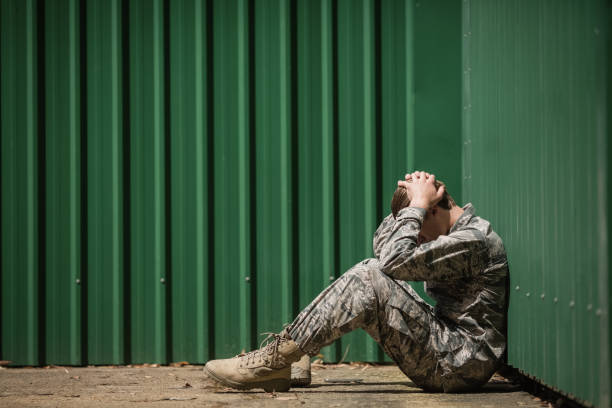
On average, 44 veterans die by suicide each day, 24 from direct suicide and 20 from overdose-related deaths or Self Injury Mortality (Vehicle Accidents / Undetermined causes. the combined death rate of at least 44 FSMs per day is 2.4 times higher than the VA reported suicide rate. According to Dr. Kevin Cameron, it is estimated that 18.5% of Veterans returning from Afghanistan and Iraq will develop Post Traumatic Stress Disorder/ and the veterans that develop PTSD are 9.8 x more likely to commit suicide than those without the disorder. Veterans face a 57.3% higher risk of suicide than the general population. According to Mission Phoenix and their Code Phoenix Officer Training Curriculum, approximately 1,080 veterans have been involved in officer-involved shootings.
Former Service Members (FSMs) from the Coast Guard are most likely to die from Suicide, followed by the USMC, Army, Navy, and Air Force.
Female veterans are 92 to 95% more likely to die by suicide than their non-military peers. However, this is particularly pronounced for women veterans who die by firearm suicide at a rate 144% higher than their civilian peers. These measures highlight the persistent fear of sexual harm, which contributes to long-term psychological impact. Military Sexual Assault (MSA) plays a significant role in elevated suicide rates among female service members and veterans. Military Sexual Trauma (MST) extends beyond rape or sexual assault. MST also includes behavioral changes driven by fear of unwanted sexual acts. Examples include Female service members requiring a battle buddy when walking on base. Policies where male and female service members or NCOs should not be alone together, reflecting perceived risk rather than misconduct.
Intimate partner violence (IPV)rates remain tragically high among military-affiliated women; create lasting impacts that extend far beyond active-duty service.
Studies show that each suicide impacts about 5 family members and as many as 135 people in the community Analyzing only the Veteran Rate of 44 a day, this means that veteran suicide alone will affect 29,700 people daily.
First Responders
First responders also face alarmingly high suicidal ideation, suicide attempts, and completed suicide events
Firefighters
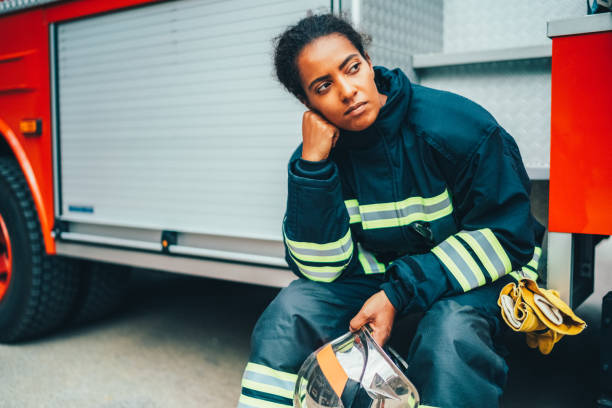
72% higher risk
Data from the U.S. Fire Administration shows that approximately 100 firefighters commit suicide each year. First responders face heightened risk of mental health issues and suicidal behaviors due to occupational stress, including hopelessness, anxiety, depression, post-traumatic stress, as well as suicidal behaviors such as suicidal ideation.
Law Enforcement
54% higher risk
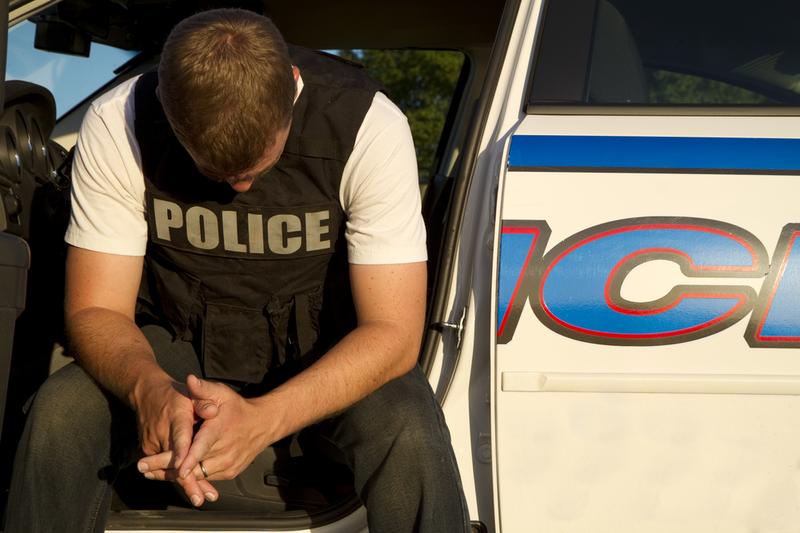
LEO officers experience a 54% Higher Risk for suicide than the public. Every 17 hours, a Law Enforcement Officer or Peace Officer dies by suicide. PTSD encounters with veterans heighten the emotional toll on officers. Suicide is the 5th leading cause of death among retired LEOs/Peace Officers. Three to four times as many officers succumb to suicide than are killed by felonious assault. There is evidence that smaller police agencies have even higher suicide rates than large departments due to the increased workload and lack of mental health resources.
The shame and stigma surrounding police suicide that creates the problems:
The fact that officers who die by suicide are generally not buried with honor.
The names of officers who die by suicide are not permitted on the National Law Enforcement Memorial in D.C.
The fear of adverse career consequences associated with seeking mental health support.
EMS Personnel
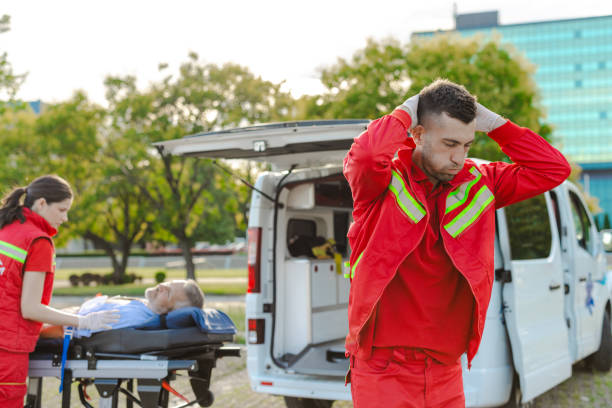
EMS personnel experience a 24% Higher Risk for suicide than the public. EMS personnel experience cumulative stress of witnessing physical and emotional pain. They are 1.39X more likely to succumb to suicide compared to other careers. 37 percent of EMS providers had contemplated suicide at some point in their career. EMTs face high levels of acute and chronic stress as well as high rates of depression and substance abuse, which increase their risk of suicide.
Corrections Officers
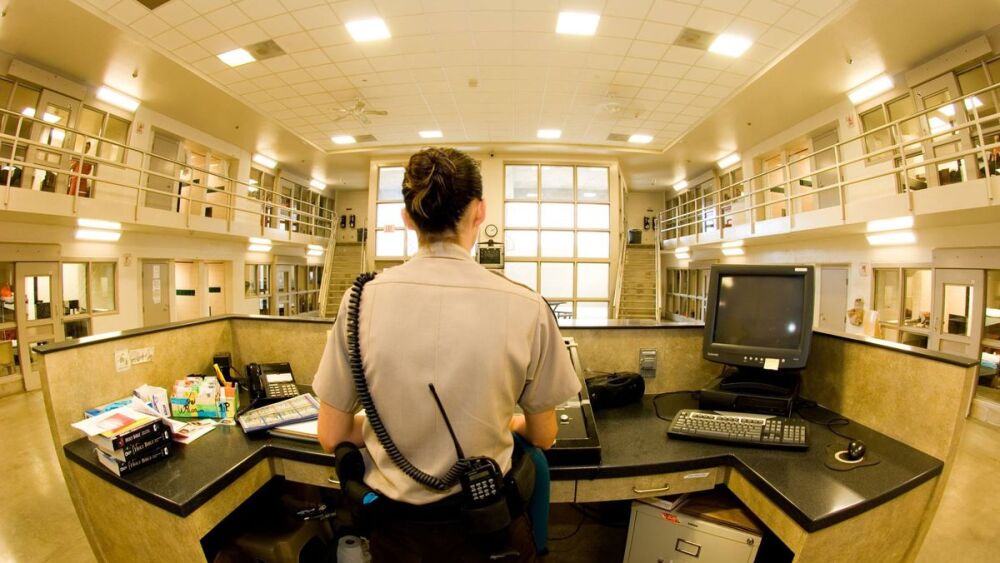
Corrections Officers are exposed to violence at significant rates. 85 percent reported seeing someone else seriously injured or killed in the workplace. Violence can come with a host of negative repercussions. 50 percent of all officers in the sample reported that they rarely feel safe at work. Higher incidences of digestive issues, high blood pressure, diabetes, and heart disease, affect COs. The added psychological stress of not feeling safe at work can coincide with alarmingly high levels of burnout, depression, suicidal ideation, and suicide attempts. The risk of suicide is 39 percent higher for corrections officers than for people in all other professions. 1 in every 3 Corrections Officers report at least one symptom of Post Traumatic Stress Disorder.
*Data sources can be found in the linked document below.
Suicide Goes Beyond the Individual
The pain of suicide bereavement can ripple through personal relationships.
Studies show that each suicide impacts about 5 family members and as many as 135 people in the community.
Suicide survivors face a threefold higher risk of completing suicide, especially among female widows of those who died by suicide.
Studies indicate that parents bereaved by the suicide of a child exhibit a doubled risk of dying by suicide compared to those who have lost children due to other causes.
Family members of individuals who have died by suicide often experience complex grief due to factors such as:
Stigmatization
Feelings of guilt
Responsibility
Shame
Rejection
They also exhibit depression, anxiety, and PTSD symptoms, with a higher risk of psychiatric hospitalization.
 Heroes in the Sky Foundation